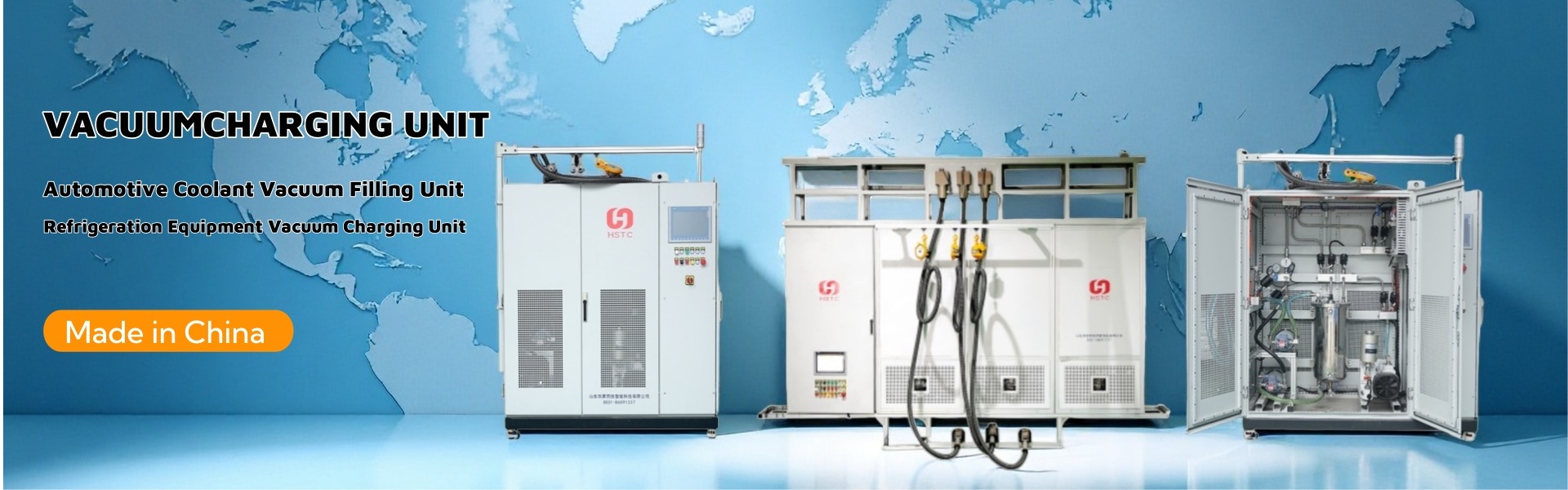
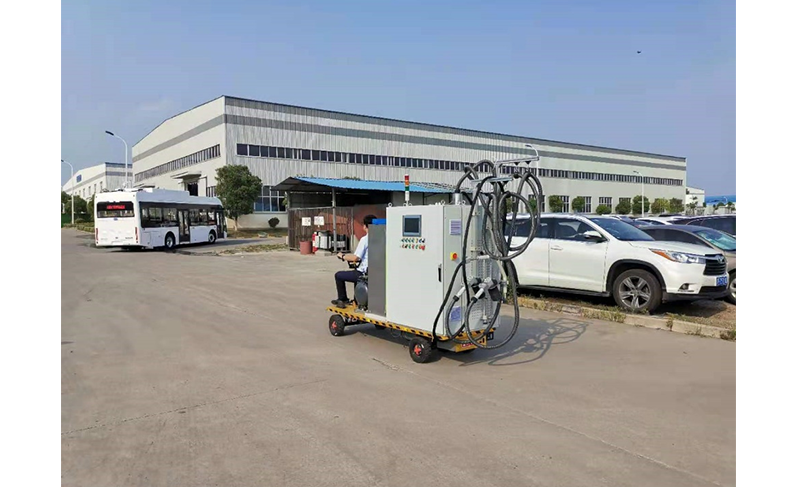
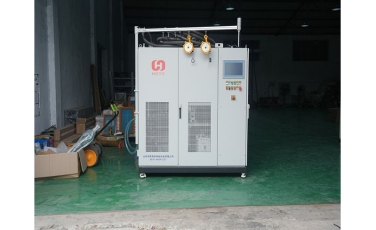
Sealing failure is one of the most common failures in the production process of vacuum filling machines in Jinan. This can lead to reduced equipment performance and even affect production safety. The following is an article about troubleshooting and repair techniques for common sealing failures.
一、 foreword
Vacuum filling machines play a vital role in various production lines, where their sealing performance directly determines operational safety and stability. However, poor sealing issues frequently occur during actual use. This article analyzes common sealing problems encountered by manufacturers of vacuum filling machines in Jinan, providing troubleshooting and repair techniques to enhance equipment efficiency.
二、Cause analysis of sealing failure
1. Seal aging: long-term use leads to the aging of seal material, loss of elasticity, and reduced sealing effect.
2. Sealing surface wear: the sealing surface is in contact with the medium for a long time, which is easy to cause wear and lead to poor sealing.
3. Sealing surface damage: the sealing surface is damaged by impact, scratch and other external forces.
4. Assembly problems:Assembly problems such as inadequate seal installation and poor sealing surface fitting,resulting in poor sealing.
5. Medium pollution: the medium contains particles, impurities, etc., resulting in the wear of sealing surfaces or blockage of sealing parts.
三、Seal failure investigation and repair techniques
1.Observation method: observe whether there is leakage in the sealing part during the operation of the equipment, such as leakage location and leakage amount.
2. Stethoscope method: use stethoscope to listen to the sealed parts, and determine whether there is a sound of gas leakage.
3. Pressure detection method: the sealing effect is determined by detecting the pressure change in the sealing part.
4. Disassembly inspection: For the parts suspected of poor sealing, disassemble and inspect, and observe whether the seals and sealing surfaces are damaged.
5. Repair tips:
(1)Replacement of seals: For aging and damaged seals, replace new seals in time.
(2)Repair the sealing surface: for the wear and scratch of the sealing surface, repair by grinding, polishing and other methods.
(3)Adjust assembly:Adkist the sealing parts width assembly problems to ensure that the seals are installed in place and the sealing surface fits tightly.
(4)Clean the sealing surface: for the sealing failure caused by medium pollution, clean the sealing surface and seal to remove impurities.
(5)Regular inspection: regular inspection of the sealing parts, timely detection and treatment of sealing problems.
四、 preventive measure
1. Select appropriate sealing material: select appropriate sealing material according to equipment working environment and medium characteristics.
2. Improve assembly quality:Strengthen the assembly process to ensure that the seals are installed in place and the sealing surface fits tightly.
3. Regular replacement of seals: replace the seals regularly according to the service life of the seals to prevent poor sealing.
4. Strengthen equipment maintenance: carry out regular maintenance of equipment, keep the sealing parts clean and lubricated.
5. Improve the quality of operators: strengthen the training of operators, improve the operation level, reduce misoperation.
五、 epilogue
Sealing failure remains a prevalent issue among vacuum filling machine manufacturers in Jinan. By implementing the aforementioned troubleshooting and repair techniques, operators can promptly identify and resolve sealing defects, thereby enhancing equipment efficiency and operational safety. Furthermore, strengthening preventive measures can effectively reduce the likelihood of such failures, ensuring stable production line performance.